

Introduction To Aptofit TrackPro Review (My Honest Review)
Let me be upfront, when I first came across the Aptofit TrackPro, my instinct was skepticism. A wristwatch that monitors blood glucose without a single needle prick? I’ve seen plenty of gadgets make bold promises, and most fall short.
But curiosity got the better of me. With diabetes touching the lives of tens of millions of Americans, the idea of a truly painless, wearable glucose monitor felt worth investigating. So I spent time researching it, comparing it to alternatives, and digging into what the company actually claims and what it doesn’t.
The Aptofit TrackPro is marketed as a smartwatch-style device that uses a built-in “Glucose Monitor Chip” to track blood sugar levels in real time, without requiring a finger prick or a sensor inserted under the skin. It also claims to monitor heart rate, blood oxygen levels, body temperature, and sleep all from your wrist.
Sounds impressive. And if it works as described, it could genuinely be a meaningful development for people managing diabetes or monitoring their metabolic health. The pitch is compelling: the convenience of checking your glucose as easily as glancing at the time, with alerts if levels go out of range.
But compelling pitches are common in health tech. What matters is what’s actually happening under the hood and how transparent the company is about the science behind it. That’s what I set out to find out in this review.
Over the next several sections, I’ll walk through what the Aptofit TrackPro is, how it works, what it discloses, and what consumers should genuinely think about before purchasing one. This isn’t a sales piece. Think of it as what a friend who looked into this carefully might tell you.
Why Consumers Are Researching Blood Sugar Monitoring Devices?
It’s no surprise that interest in blood sugar monitoring is growing rapidly. Diabetes is one of the most prevalent chronic conditions in the United States, and awareness of metabolic health has expanded well beyond the diagnosed diabetic population. People are paying attention to blood glucose in ways they simply weren’t a decade ago.
For people living with Type 1 or Type 2 diabetes, monitoring blood glucose is a medical necessity. Traditional finger-prick glucometers require drawing a small drop of blood multiple times a day. While effective, they’re uncomfortable especially for those who need to check their levels four, five, or even more times daily. Over months and years, this becomes a real quality-of-life issue. Many people simply avoid checking as often as they should because the process feels like a minor ordeal every time.
Continuous Glucose Monitors (CGMs) from companies like Dexcom and Abbott’s FreeStyle Libre have addressed this to a degree. These devices use a small sensor filament inserted just under the skin and can transmit readings continuously to a smartphone or display. But they’re not for everyone — many users report discomfort from the insertion, adhesive skin reactions, and the ongoing cost of replacing sensors regularly.
Beyond the diabetic population, a growing segment of health-conscious consumers — fitness enthusiasts, biohackers, individuals concerned about prediabetes, or those simply tracking their metabolic responses to food are showing interest in glucose monitoring. Wearable tech culture has normalized the idea of tracking health data around the clock, and blood sugar is increasingly seen as a valuable data point even for those without a diabetes diagnosis.
This expanding demand has driven consumers to search for alternatives. People want something that’s less invasive, more affordable, and easier to integrate into daily life. That’s the exact gap that non-invasive glucose monitoring devices — including the Aptofit TrackPro are attempting to fill.
There’s also an emotional driver. Managing diabetes is exhausting. The constant vigilance, the fear of hypoglycemic episodes, the disruption to daily routines — these take a real toll. The appeal of a device that quietly watches over your health and alerts you to danger without requiring active effort is deeply attractive. That explains why products in this space generate such intense interest even when they’re relatively new or unproven.
The research spike around devices like Aptofit TrackPro is also influenced by word-of-mouth and social media. When a product promises to solve a painful, daily problem for a huge population, it tends to spread organically. Reviews, forum discussions, and sponsored content all contribute to the buzz — making it important for consumers to slow down and assess claims carefully before purchasing.
In short, consumers are researching blood sugar monitoring devices because the need is real, the existing options have genuine drawbacks, and new technologies are entering the market promising a better way. Whether those promises hold up is the question every informed buyer should be asking.
What Is Aptofit TrackPro?
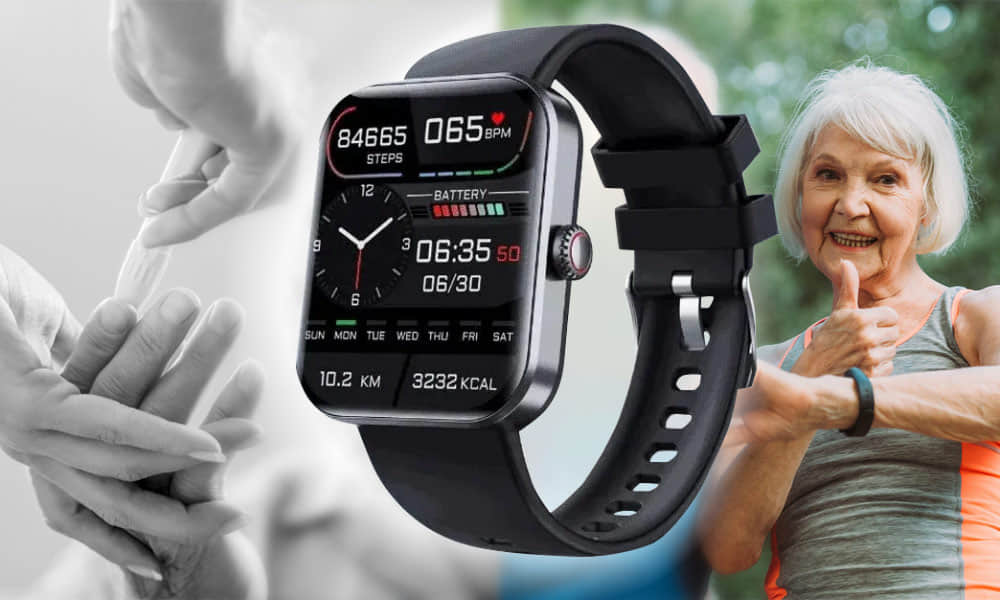
Aptofit TrackPro is a smartwatch that includes non-invasive glucose monitoring as one of its core features. The device is wrist-worn, watch-sized, and designed to look and function like a mainstream fitness tracker — with the addition of what the company calls its proprietary “Glucose Monitor Chip.”
The company behind it, Aptofit Trackpro positioned it as a disruptive entrant into the glucose monitoring space — one that undercuts the larger incumbents on price while offering superior convenience through its pain-free, passive monitoring approach.
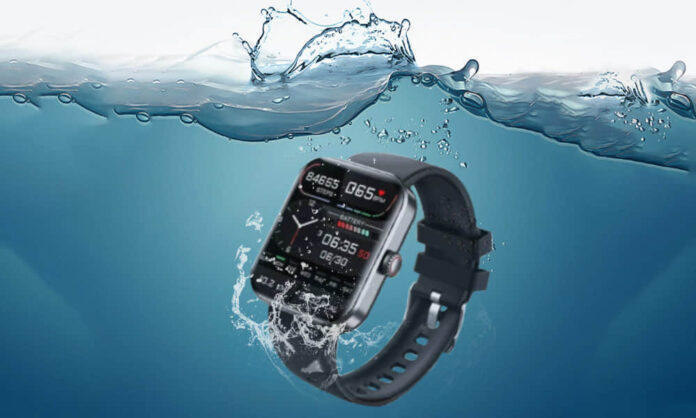
In terms of form factor, the Aptofit TrackPro resembles many mid-range smartwatches currently on the market. It has a rectangular display, a silicone band, and is compact enough to wear all day. According to the manufacturer, it’s rated IP67 for water resistance, meaning it can handle splashes and brief submersion — useful for people who want to wear it through workouts or daily tasks without worry.
The device’s marketed feature set includes real-time blood glucose monitoring, 24/7 heart rate tracking, blood oxygen level readings, body temperature monitoring, step counting, calorie tracking, sleep monitoring, and a battery capacity the company says lasts up to a week on a single charge. That’s a lot of claimed functionality packed into a $69.99 device.
The central and most attention-grabbing claim is the glucose monitoring capability. Aptofit says the device uses optical sensor technology — similar in principle to the photoplethysmography (PPG) sensors used in many fitness trackers for heart rate to analyze blood characteristics through the skin. The idea is that light emitted from the sensor interacts with blood vessels and the resulting data can be processed to estimate glucose levels, without any blood being drawn.
It’s worth noting that this is not a new concept. Non-invasive optical glucose monitoring has been researched for decades. The challenge has always been accuracy — light-based readings can be affected by many variables, including skin tone, ambient temperature, hydration, and movement. Achieving clinical-grade accuracy with this method has proven elusive, and not fully non-invasive. wristwatch glucose monitors have yet received FDA clearance as a medical glucose monitoring device as of this writing.
The Aptofit TrackPro does not appear to claim FDA clearance or approval as a medical device. This is an important distinction. Many wellness wearables occupy a consumer electronics space that does not require FDA oversight, but it also means users cannot rely on them for clinical decision-making — like adjusting insulin doses.
So Aptofit TrackPro appears to be a lifestyle and wellness device that provides blood glucose estimates and general health trend data, rather than a medically certified diagnostic tool. That framing matters a great deal for how you evaluate whether it’s useful, and for whom.
The Components of the Aptofit TrackPro: What’s Inside?

To completely evaluate the Aptofit TrackPro fairly, it helps to break down what the device claims to include from a hardware and software perspective. Based on the product’s marketing materials, here’s a detailed look at each component and what it’s supposed to do.
The Glucose Monitor Chip: This is the headline feature — the component Aptofit says sets the TrackPro apart from conventional smartwatches. According to the company, this is a proprietary chip previously found only in “costly medical equipment” that has now been miniaturized into a wearable form.
PPG Sensor for Heart Rate and Blood Oxygen: The device uses what Aptofit describes as an “upgraded PPG sensor” for heart rate and blood oxygen monitoring. PPG (photoplethysmography) is a well-established and widely used technology in consumer wearables. Devices like the Apple Watch, Fitbit, and Garmin smartwatches all use PPG for heart rate monitoring, and it is generally considered reliable for this purpose in typical conditions.
Body Temperature Sensor: The Aptofit TrackPro includes a skin-surface temperature sensor. This is a feature that gained significant consumer attention during the COVID-19 pandemic as a potential early-warning indicator for illness. Consumer-grade wearable temperature sensors measure skin temperature at the wrist, which correlates — but does not directly equate to core body temperature.
Wrist skin temperature can vary considerably with environmental conditions, activity levels, and blood flow changes. For detecting significant illness-related temperature spikes or tracking day-to-day trends (useful for tracking ovulation cycles or sleep patterns), skin temperature sensors can be useful. For precise clinical temperature measurement, they’re not a substitute for a proper thermometer.
Display and Interface: The device is marketed as having a large, easy-to-read display with simple navigation menus. From product images, it appears to feature a color touchscreen, which is standard for mid-range smartwatches at this price point. The interface is described as intuitive, with pre-installed apps requiring no downloads.
For the target demographic — including older adults managing diabetes, ease of interface is genuinely important. A cluttered, confusing display or complicated menu structure can undermine an otherwise functional device. The company’s emphasis on simplicity is a smart design priority for this audience.
Battery and Charging System: From the official website, Aptofit states the TrackPro has a 230mAh battery with approximately one week of battery life between charges. This is a reasonable claim for a small smartwatch with passive monitoring features running in the background. Battery life in wearables depends heavily on how often the screen is activated, which sensors are running continuously, and whether Bluetooth connectivity is active.
Step Counter and Activity Tracking: Like most modern fitness wearables, AptoFit TrackPro includes an accelerometer-based step counter and activity tracking features. These tools estimate steps taken, distance walked, and calories burned based on wrist motion and preset user data like height and weight.
Sleep Monitor: Sleep monitoring in consumer wearables uses a combination of accelerometer data (movement) and PPG data (heart rate variability and patterns) to estimate sleep stages and quality. Aptofit TrackPro includes a sleep monitoring application that the company says encourages adequate sleep.
Algorithm and Data Processing: Underlying all of these sensors is software the algorithms that convert raw sensor signals into health metrics. This is often the least visible but most important component of any health wearable. The accuracy and usefulness of every reading the device provides is ultimately determined by the quality of its algorithms.
Note: Aptofit does not publicly disclose details about its algorithms, the data sets used to develop or validate them, or the testing protocols employed. This is not unusual for consumer electronics companies, but it does make independent verification of performance claims difficult.
What Consumers Typically Look for in Blood Sugar Monitoring Devices?
When people research glucose monitoring devices — whether they have diabetes, are prediabetic, or are simply health-curious they tend to evaluate products across a fairly consistent set of criteria. Understanding what those criteria helps frame any honest assessment of the Aptofit TrackPro.
Accuracy and Reliability: This is, without question, the most important factor for anyone relying on glucose data to manage their health. Consumers, especially those with Type 1 or Type 2 diabetes need readings they can trust. Even a small systematic error in glucose readings can lead to poor decisions about food, medication, or insulin.
In the medical device world, glucose monitors are evaluated against ISO 15197 standards, which require a defined percentage of readings to fall within an acceptable error margin compared to reference lab values. Consumers who understand this tend to scrutinize whether a device meets such standards — and if so, what clinical evidence supports it.
For non-invasive wearable devices, the accuracy question becomes even more pointed. Without clinical validation data published transparently, it’s difficult for a consumer to know how trustworthy readings actually are.
Non-Invasiveness and Comfort: Pain is a genuine barrier to compliance for many people managing diabetes. Research consistently shows that patients who find monitoring painful or burdensome check their glucose less frequently than they should. This drives strong consumer demand for alternatives that don’t require needle pricks or skin-inserted sensors.
The appeal of a wristwatch-style device is obvious: it’s something millions of people already wear, it requires no special preparation, and readings can happen passively throughout the day. When consumers evaluate devices in this space, comfort and wearability rank very highly — though not at the expense of accuracy.
Cost and Ongoing Expenses: Traditional blood glucose testing involves not just the glucometer but the ongoing purchase of test strips, lancets, and sometimes calibration supplies. CGM systems involve costly recurring sensor replacements, often running into hundreds of dollars per month without insurance coverage.
One of the most attractive aspects of a one-time-purchase wearable like the Aptofit TrackPro is the promise of zero recurring consumable costs. Consumers factor in the total cost of ownership, not just the upfront price. A device that costs $70 once and requires no additional purchases is financially compelling compared to a CGM that might cost $200/month in supplies.
Ease of Use: Health monitoring should not require a technical degree to operate. Consumers value devices with intuitive interfaces, clear displays, and straightforward setup processes. Many people in the target demographic for glucose monitoring are older adults who may be less comfortable with complex apps, Bluetooth pairing, or software updates.
Simplicity is a genuine selling point. Devices that can be used right out of the box, with readings accessible at a glance, tend to earn better real-world reviews even if their spec sheets are less impressive than more complex alternatives.
Battery Life: For a health monitoring device to be genuinely useful, it needs to be worn consistently. Devices that need charging every day or two are often left on the nightstand — defeating the purpose. Consumers strongly prefer devices with multi-day battery life, particularly for passive health monitoring where continuous data is the point.
Additional Health Features: Modern health-conscious consumers don’t just want one metric. They want holistic views of their wellbeing. Devices that combine glucose monitoring with heart rate, SpO2, sleep tracking, activity data, and other metrics offer greater perceived value. This bundled approach is increasingly the expectation in consumer health tech.
FDA Clearance and Medical Credibility: More informed consumers — particularly those managing diagnosed conditions actively look for FDA clearance or approval, or at least for a company that is transparent about the regulatory status of their device. The absence of FDA clearance doesn’t automatically make a device worthless for wellness purposes, but it does mean users should not use it to make clinical medical decisions.
Brand Transparency and Customer Support: Trust is a major factor in purchase decisions for health products. Consumers want to know: Who is the company? Where is the product made? What does the research behind it look like? Is there a genuine return policy if the product doesn’t perform as expected?
In the age of direct-to-consumer marketing and viral social ads, many products appear without clear corporate identities or meaningful customer service infrastructure. Savvy shoppers look for physical addresses, real phone numbers, and clear refund policies before handing over payment details.
User Reviews from Real People: Perhaps above all else, consumers trust other consumers. Peer reviews, particularly from people in similar health situations carry enormous weight in purchase decisions. The challenge is that in rapidly growing product categories, paid or incentivized reviews can be difficult to distinguish from authentic ones. Consumers are increasingly aware of this and seek out verified purchase reviews, in-depth independent assessments, or community discussions on forums.
Understanding Product Format Differences in Blood Sugar Monitoring.
When shopping for a blood glucose monitoring solution, it helps to understand the landscape of available formats. Not all devices work the same way, and the right choice depends heavily on your specific health situation.
Traditional glucometers are the most established format. They require a lancet to draw a small drop of blood from the fingertip, which is then applied to a test strip that the device analyzes. They are clinically accurate, widely covered by insurance, and the gold standard for home glucose testing. The drawback is that they’re point-in-time — each reading captures a single moment — and the process requires deliberate action each time.
Continuous Glucose Monitors (CGMs) represent a significant advancement. Devices like the Dexcom G7 or Abbott FreeStyle Libre use a small filament inserted just beneath the skin surface that measures interstitial glucose continuously, transmitting data to a receiver or smartphone. This gives users a real-time picture of glucose trends — including direction and rate of change which is genuinely valuable for managing diabetes. The tradeoff is cost, the need for periodic sensor replacement, and mild discomfort from insertion.
Flash glucose monitoring, as used by Free Style Libre, is similar to CGM but requires the user to actively scan the sensor rather than receiving continuous automatic alerts. It offers many of the same benefits at somewhat lower cost.
Non-invasive optical monitors represent the newest and most contested category. These use light-based sensors worn on the wrist or elsewhere to estimate glucose without any contact with blood or tissue penetration. The appeal is enormous: completely painless, no consumables, easy to wear continuously. The challenge is accuracy. This is the category the Aptofit TrackPro occupies.
Finally, there are smartphone-based monitors and implantable sensors for longer-term use. These remain largely in clinical or specialized consumer territory.
Each format involves different tradeoffs. Invasive methods offer higher accuracy but less convenience. Non-invasive methods offer maximum convenience but, currently, less clinical certainty. The appropriate choice depends on whether you need medically actionable data or wellness trend awareness — a distinction that matters enormously when evaluating the Aptofit TrackPro’s fit for your needs.
What Aptofit TrackPro Discloses About Its Product
Transparency is one of the things I look at carefully when reviewing health tech products, because what a company says — and doesn’t say — tells you a lot about how much you can trust it.
Starting with what Aptofit disclose: the company is upfront about the feature set and physical specifications of the TrackPro. The marketing materials describe the hardware features, the IP67 rating, the battery capacity, the sensor types, and the companion app functionality. These specifics, while subject to real-world performance variation, are at least concrete claims that can be evaluated.
The company also clearly positions the device as a direct-to-consumer product sold at a discount compared to traditional glucose monitoring systems. The price point — around $69.99, often with a promotional discount — is clearly stated, and the value proposition is explicitly articulated.
However, there are notable gaps in disclosure. Aptofit does not appear to publish clinical accuracy data for its glucose monitoring claims. There is no mention of independent laboratory testing, peer-reviewed studies, or validation against reference glucose meters. This is significant, because glucose accuracy is the most important claim the product makes.
The company does not appear to discuss FDA regulatory status clearly in its consumer-facing materials. It’s not explicitly stated whether the device has sought or received any FDA clearance, or whether it operates solely as a consumer wellness device outside of FDA medical device jurisdiction. For consumers managing diabetes, this distinction is critical.
There is also limited transparency about the company’s identity and operational history. Unlike established medical device companies with decades of public track records, Aptofit is a relatively recent and less-known brand. Information about where the device is manufactured, what quality standards govern production, and who the leadership team is remains sparse in public-facing materials.
The marketing tone occasionally overstates certainty — phrases like “accurately monitor” and “reliable results” suggest a level of clinical precision that the absence of published validation data makes difficult to confirm. Consumers should read these claims with appropriate caution and understand that wellness-grade accuracy and medical-grade accuracy are meaningfully different standards.
In summary, Aptofit is reasonably transparent about what the product does in functional terms, but less forthcoming about the evidence base for its most important health claims. That’s worth factoring into your purchase decision.
Refund Policies and Customer Support: What You Should Know
Before purchasing any health device online — especially from a direct-to-consumer brand — it’s important to understand what recourse you have if the product doesn’t meet your expectations.
Based on available information, Aptofit offers a return or refund policy, though the specifics and time window can vary depending on where the product is purchased and when. It’s essential to verify the current return policy directly on the Aptofit website at the time of purchase, as promotional terms can change.
A few practical notes for prospective buyers: First, make sure to purchase directly from the official Aptofit channel if possible — third-party sellers may have different or no return policies. Second, retain all packaging and documentation, as many companies require the original packaging for returns to be accepted. Third, test the device promptly upon receipt so that any issues can be addressed within the return window.
Customer support availability is an important consideration for health tech products, where users may have questions about readings, setup, or troubleshooting. At the time of this review, customer support channels appear to include email contact, though response times and the depth of support available are difficult to assess without direct experience.
For any health device — particularly one related to glucose monitoring — the ability to get timely, knowledgeable support is not a minor detail. I’d encourage prospective buyers to test the support channel with a question before purchasing, to gauge responsiveness. This is a reasonable due diligence step for any significant health-related purchase.
My Final Verdict
After spending time with the Aptofit TrackPro’s claims and looking at this device in the context of the broader blood glucose monitoring landscape, my overall assessment is: this is an interesting product with real potential appeal, particularly for wellness-oriented users who want general health trend data and are not relying on glucose readings for medical decisions.
For that audience, the combination of features at the price point is genuinely compelling. If the device performs reasonably well in real-world use, it could be a useful addition to a health-conscious lifestyle.
However, for people managing diabetes who need accurate, medically actionable glucose readings, the lack of published clinical validation data and apparent absence of FDA clearance are significant concerns that I wouldn’t set aside lightly. In that context, the TrackPro should not replace a validated glucometer or CGM without explicit guidance from a healthcare provider.
The honest bottom line: the Aptofit TrackPro is worth considering if your expectations are appropriately calibrated to what a wellness wearable can deliver — not what a medical device does. Do your research, consult your doctor if health management is your goal, and buy with your eyes open.
Make a purchase today from the official website at discounted price